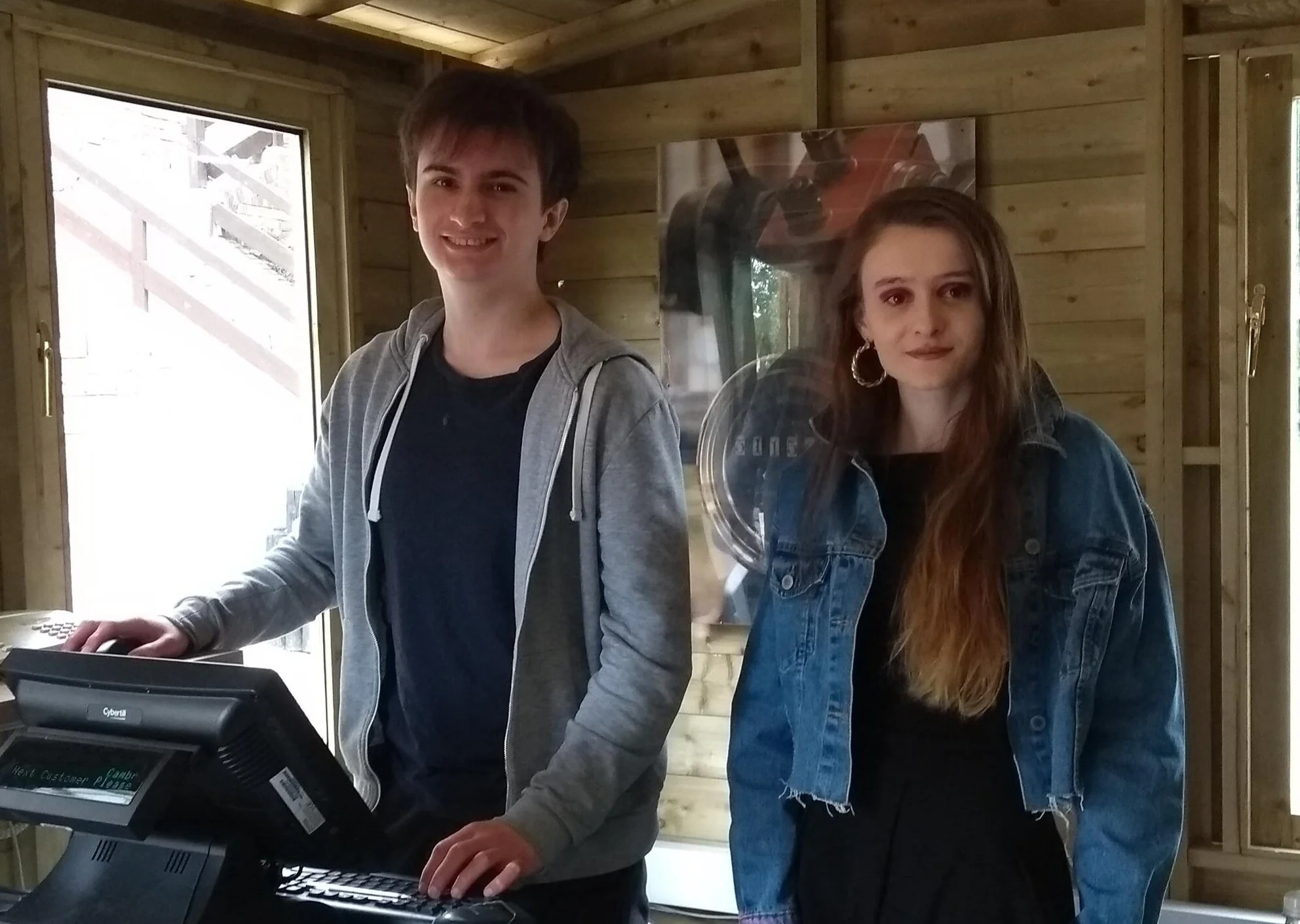
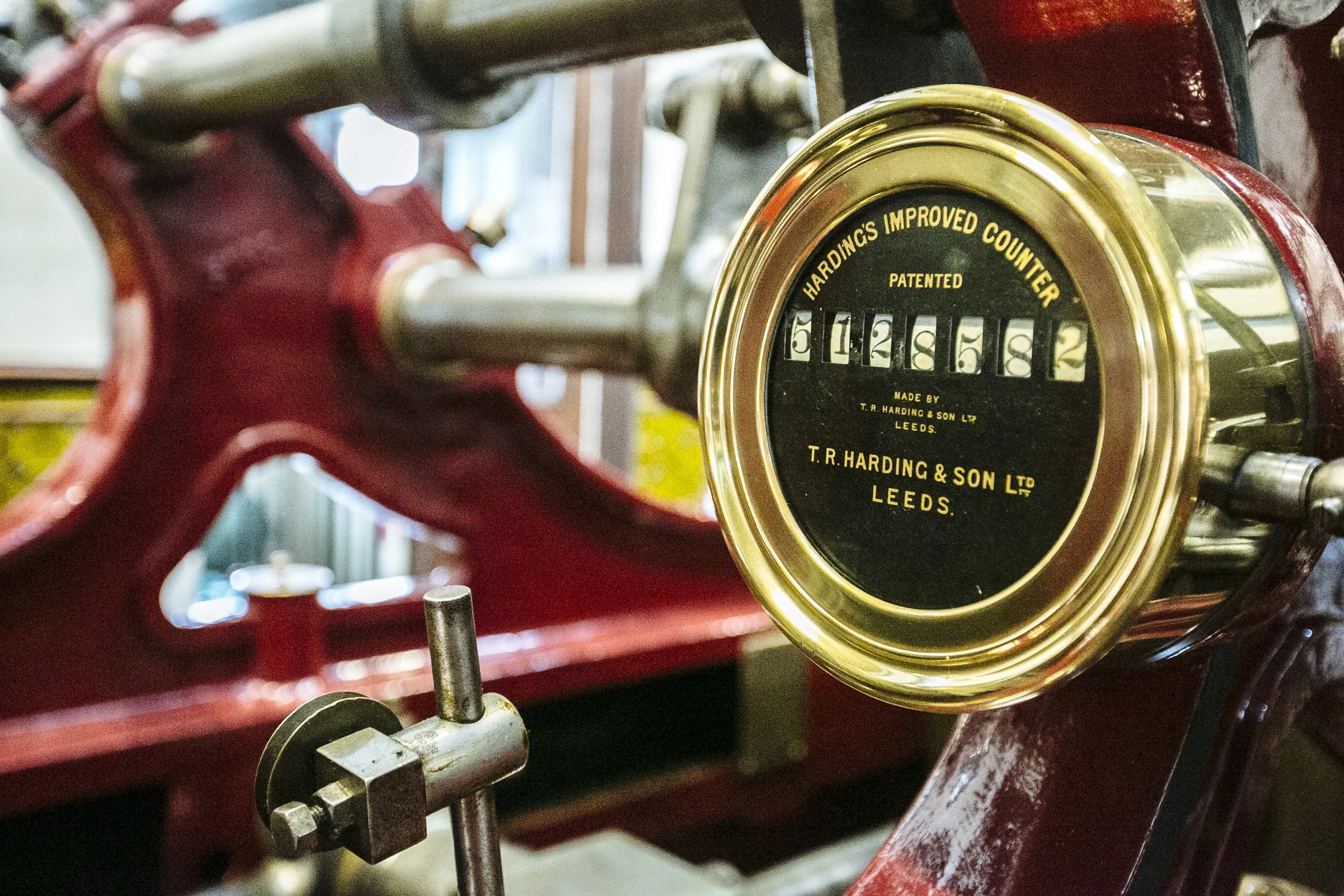
In this series of profiles, meet the team of volunteers who help to make the Museum run!
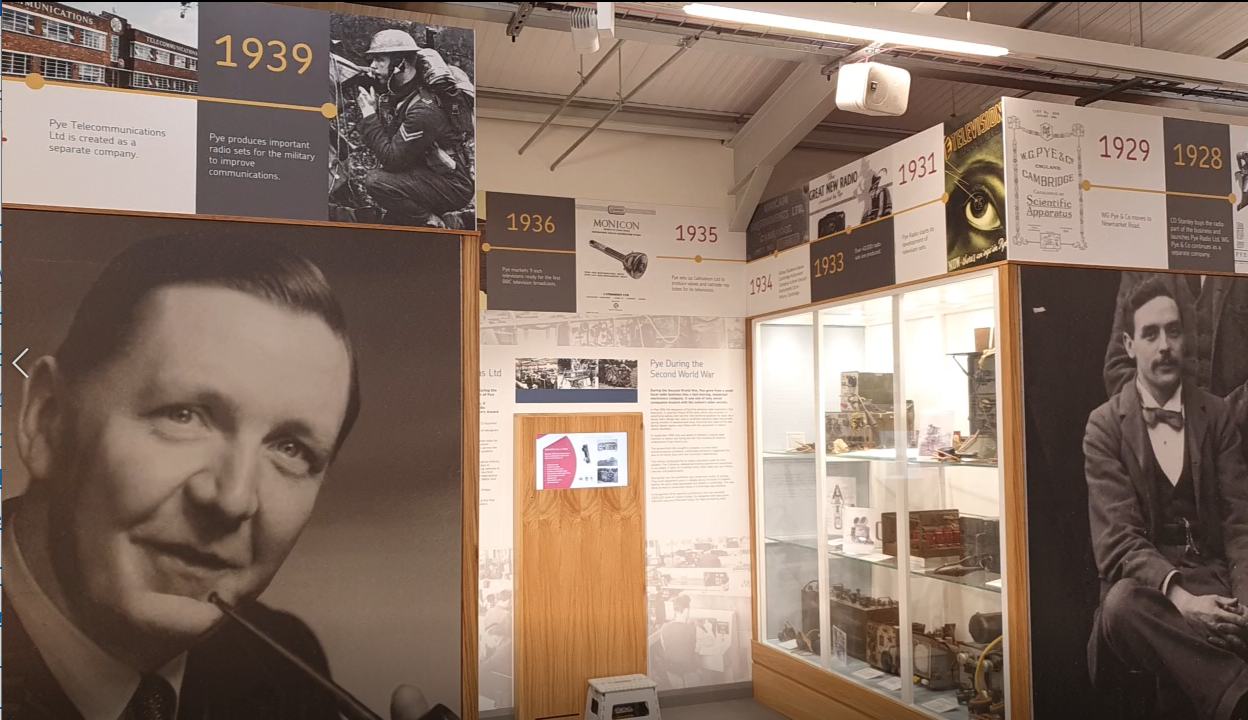
In this series of profiles, meet the team of volunteers who help to make the Museum run!
We are recruiting for a Volunteer Coordinator to help us launch our new online volunteer recruitment platform. This is a short-term post with a long-term impact on the future of the Museum. By building our capacity we can keep on caring for Cambridge's industrial history and sharing it today and in the future. The catch is that you only have six weeks to do this! If you are up for the challenge, check out the role description here
We are grateful to the Cultural Recovery Fund whose grant has enabled us to create this post.. #HereForCulture
Are you interested in securing the future of Cambridge's industrial heritage?
Do you share our commitment to enriching our local communities through engagement with this unique part of local history?
Are you passionate about using our heritage to educate and inspire people of all ages?
Find out more about joining the trustees at Cambridge Museum of Technology. Download the candidate pack here.
Serendipity, that happy knack of making chance discoveries, is the researcher’s friend. Such a lucky find has enabled us to identify an employee of the Cambridge Instrument Company about whose working life we knew quite a lot, but who himself was known only as CB.
In June 2018 our colleague Morgan Bell found his story in the Company’s December 1963 newsletter, stored in the University Library. CB was a lacquerer who had moved to Cambridge from London in 1905 after seeing the vacancy advertised. He worked for the Company for 43 years before retiring, lacquering all brass, silver, and steel on the instruments.
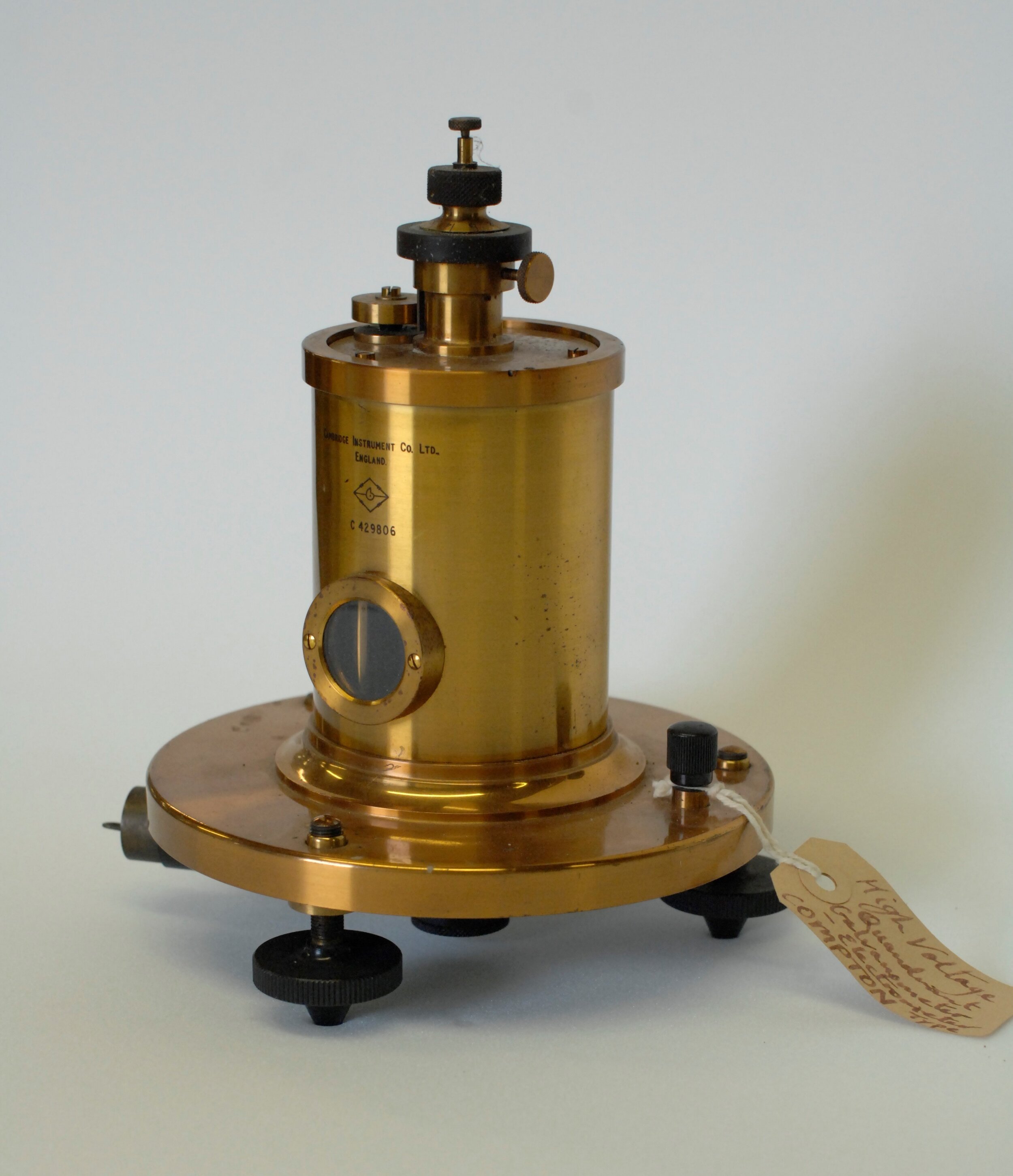
The Company made its own lacquer from seed shellac, slowly dissolved in a large jar of methylated spirits. After a month, it was strained five times and dragon’s blood (a red plant resin) and gum Arabic were added. This made the lacquer a ‘beautiful gold’, unlike clear synthetic lacquers available later.
All surfaces to be lacquered were ‘carefully grained’ first. Then they were gently warmed before applying the lacquer with a soft, camel-hair brush. CB described his work as ‘a job that called for patience and a light touch and only needed someone to open the door at the wrong time for the job to be ruined.’
So, who was CB? I’ve been researching my bit of Cambridge, the streets north of Milton Road and west of Arbury Road, where a windmill, farm, laundry, and brickworks are of interest to industrial historians. Browsing the 1911 census, I was scanning the occupants of newly built Newman’s Cottages in Milton Road, between the Co-op and Arbury Road, and there was our man.
Living at 2, Newman’s Cottages were Cecil Bromwich, Scientific Instrument Lacquerer, born in Deptford in 1883, aged 27, with his wife Florence, 28 and a five-year-old niece, Clara Wheeler. Twenty-eight years later, in the 1939 wartime register, Cecil was still working as lacquerer and enameller. He and Florence had moved across Milton Road into the house at 29, Oak Tree Avenue.
We will be interested to see what the 1921 census, due to be published in 2022, tells us about the Bromwich family.
Pictured: the Museum’s Compton-type high-voltage quadrant galvanometer from 1945, resplendent in its ‘beautiful gold’ lacquer