We know many of you have questions about the ongoing improvements at the Museum. We've pulled together the questions we've heard most often, with our answers, in the hope this gives you the clarity you're looking for. We're grateful for how much people care about this place - it's exactly why we want to be as open as we can about its future.
What is the museum planning to do with its site?
Bring the whole site together around a primary aim - welcoming more people - so the museum can fund its mission of preserving the site and collection.
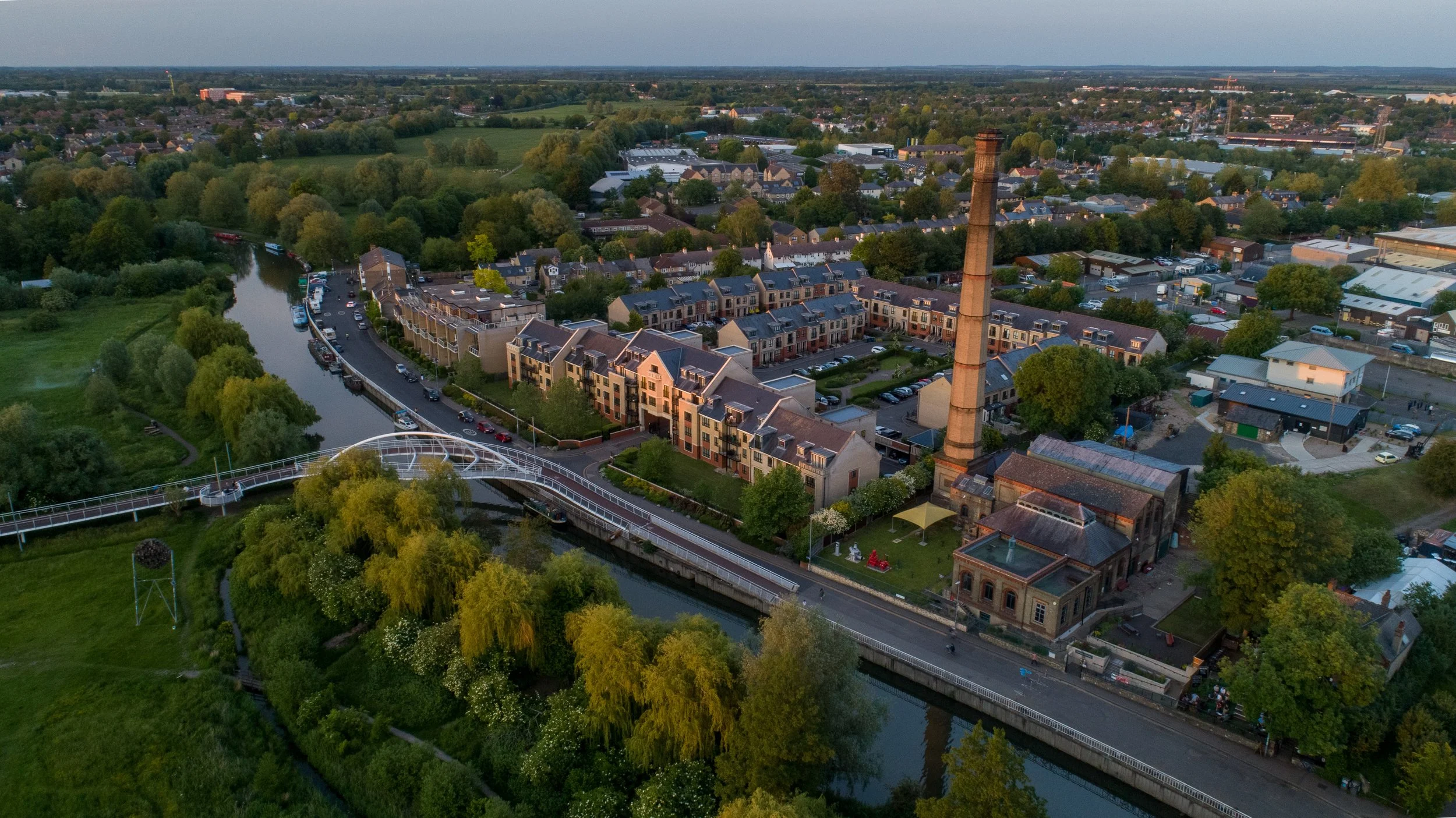
The museum is an independent, volunteer-run charity that owns a 130-year-old former pumping station — a Scheduled Monument — on the River Cam. It is aligning its whole site around a primary aim: welcoming more people. In practice that means a smoother-running, better-cared-for site, with the museum and the independent businesses on it working in step - offering visitors a relaxed riverside place by day and a different experience in the evening - so more people visit, the museum becomes more financially resilient, and it can better preserve the buildings and collection for the community and deliver its education programmes.
How do the commercial parts of the site work in the daytime and the evening?
Day and evening have deliberately different offers, so the small businesses on site complement rather than compete with each other.
The site is run so that its traders complement one another rather than compete. The daytime and the evening are intended to have distinct characters and offers: a relaxed, family-friendly riverside place by day, and a different evening experience. This separation is deliberate - if businesses on site simply duplicated each other, for example by competing on the same food at the same times, it would reduce what each can earn and make them less viable. Coordinating this so that every small business can thrive in a truly collaborative environment is one of the museum’s real management responsibilities.
Is this just about making money?
No - the museum has deliberately built around small local independents because it’s better for the community.
The museum has deliberately chosen to work with independent local or independent businesses because they contribute to a truer character of the site, support the local economy and are better for the community.
Is the museum becoming less of a museum, or more of a commercial venue?
No - preservation, education and engagement remain the long-term objectives
The hospitality, events and busier destination are a means by which the charity funds those purposes, not a replacement for them. Every visitor and event helps secure the long-term future of a nationally important heritage asset. Also increased footfall should help the museum secure more visitors and support the expansion of the education programme.
Why is this needed? Why not leave things as they are?
The historic buildings are costly to maintain and a small charity can’t fund that from admissions alone.
The museum’s buildings are historic, protected and costly to maintain, and some will need major repair in the years ahead. Welcoming more people — through the grounds, hospitality and events - is how the charity earns the income to keep the buildings maintained, collection preserved and the museum open.
What will local people and the community get from this?
A better-cared-for riverside site, a focus space for community events, and one-off events on the local calendar – as well as a connection to the area’s heritage.
A historic riverside site that is better cared for and more alive: green space by the river, somewhere to eat and drink, a focus space for community events, and a programme of events that add something new to the local calendar – while driving people to a major monument and part of Cambridge’s industrial history.
How is this funded? Will it pay for itself?
Earned income is central, but realising the vision fully will need continued investment.
The museum has already delivered major investment in its site, including redevelopment supported by the National Lottery Heritage Fund, Historic England and others, and has since secured further heritage funding. Increasing earned income is central to the plan.
Who makes the decisions about the museum’s future?
The museum’s volunteer Board of Trustees, who hold the duty of keeping a fragile historic site standing.
Responsibility rests with the museum’s volunteer Board of Trustees, who carry the duty of keeping a fragile, historic site standing and of acting in the long-term interest of the museum and the site, while delivering engagement activities focused around the collection and education. All significant commercial decisions are considered by the Board of Trustees against the museum's charitable objectives and long-term conservation needs.
Can a volunteer charity really manage all this?
It’s a genuine challenge, but the museum has a track record of delivering investment and growth and is committed to adapting as it goes.
The museum has a track record of delivering major investment and of growing its visitors, events and community programmes in recent years, and is committed to learning and improving as the work goes on. The trustees will not compromise the mission of protecting the site and collection for future generations in a way that helps the community retain a sense of their local heritage and connection with the past.